
Why does your wire-tapping equipment break down in the midst of a job? I am working in the best wire taping and bunding machine industry for 12 years. I have seen this issue cost numerous factories time and money.
In this article I will teach you how to keep your machine daily. You will learn about how to look after the roller, blade and tension. I will also assist you avoid frequent errors and choose the proper machine.
What Is the Best Wire Taping and Bunding Machine?
The best wire taping and bunding machine wraps and binds wire bundles with tape. It keeps cables tidy, secure and protected. They are utilised in manufacturing for cars, electronics and communications. The Automatic taping and Binding Machine feeds tape at a set pace.
It firmly tapes the wire bundle. It reduces labour time and enhances quality. Most modern versions offer digital tension control. They feature sharp blades and adjustable rollers also. They come in semi-automatic or completely automated types.
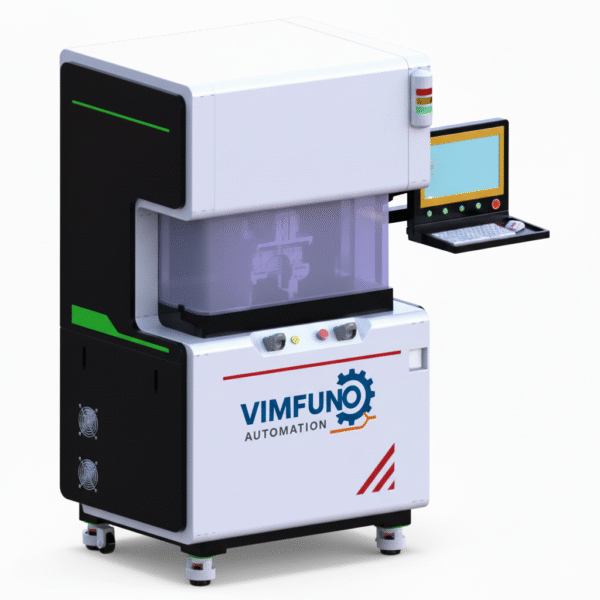
Machine Specs at a Glance
| Feature | Details |
| Machine Type | Automatic Taping and Binding Machine |
| Tape Width Range | 9mm – 50mm |
| Binding Speed | 10 – 80 rpm (adjustable) |
| Roller Material | Steel / Rubber-coated |
| Blade Type | Rotary or Fixed Blade |
| Tension Control | Manual / Digital |
| Power Supply | 110V / 220V AC |
| Common Use | Auto wiring, cable bundles, electronics |
How Often Should You Clean the Rollers on a Wire Taping Machine?
Dirty rollers are a huge concern. They are one of the main causes for loss of speed and quality of wire taping machines. If you neglect cleaning the tape deposits build up extremely quickly. This causes the tape to slide, wrap inadequately, or clog up the feed mechanism.
A missed clean might mean a complete queue halt. Most experts suggest cleaning your rollers at least once every shift. Busy lines should be cleaned every 4 hours A clean roller will make sure the tape flows smoothly, every time.
Why Roller Maintenance Matters Every Single Day
Rollers guide the tape around the bundle of wires. Uneven pressure is caused by dust or adhesive buildup on the roller surface. This results in poor tape overlap and poor binding. A improperly wrapped package may not work in the field.
The rollers are also cleaned to prevent wear and damage to the tape. This cuts down on tape waste. It’ll save you actual money in the long run.
Daily Roller Cleaning Steps:
- Before cleaning unplug the machine
- Clean the roller with a dry or slightly moist towel
- Use a soft brush or plastic scraper for tape residue
- After cleaning check sure the roller is straight
- Apply little oil if roller shaft feels stiff
- Run the machine for 30 seconds to see whether it spins well
Roller Condition vs. Output Quality:
| Roller Condition | Tape Wrap Quality | Risk Level | Action Needed |
| Clean & Aligned | Excellent | Low | Continue use |
| Minor Residue | Good | Medium | Wipe clean |
| Heavy Build-up | Poor | High | Deep clean now |
| Worn or Cracked | Very Poor | Critical | Replace roller |
Common Roller Problems and Solutions:
- Tape slipping → Clean the roller and check tension
- Uneven wrapping → Re-align the roller with a level tool
- Roller vibration → Tighten the roller shaft screws
- Tape tearing → Lower the tape tension slightly
How to Check If Your Roller Needs Replacement
Check the roller in good light. Look for deep grooves, fissures and flat places. Replace the roller immediately if you observe any of these. A worn roller on a best wire taping and bunding machine may harm tape and hinder productivity. With careful daily maintenance, most rollers last 6 to 12 months.
Is the Blade on Your Wire Taping Machine Set Up Correctly?
The most typical reason of a tape jamming is a defective blade. “A lot of operators miss this because the damage is small at first. Dull or bent blades generate harsh cuts. It rips the tape and slows your entire line down.
Also wastes tape rolls and adds to your expense. Your best wire taping and bunding machine must have a sharp clean blade every day. It takes less than five minutes to check. But it may save you many hours of expensive downtime.
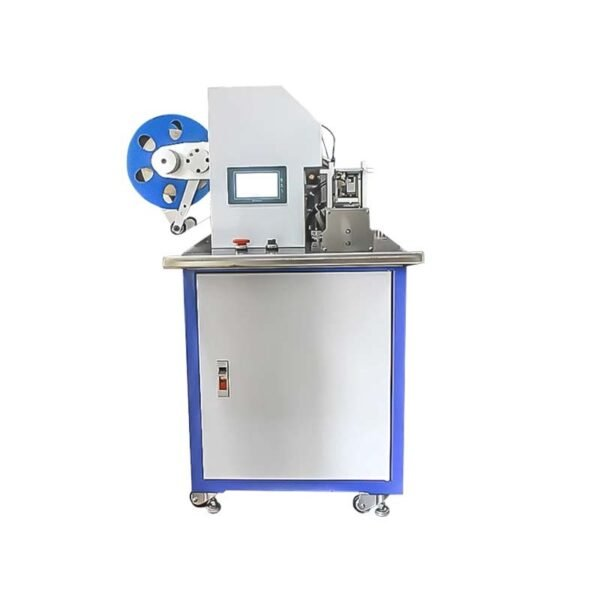
Blade Types Used in Wire Taping Machines
Rotary Blade – It cuts tape in a rolling motion. It works best on fast lines. Sharpen it every 2 to 3 weeks.
Fixed Blade – It cuts with a straight chop. It is more common on semi-automatic models. It is easy to replace and low in cost.
Blade Comparison:
| Feature | Rotary Blade | Fixed Blade |
| Cut Speed | High | Medium |
| Cut Quality | Very Clean | Clean |
| Maintenance | Sharpen regularly | Replace often |
| Best For | High-volume lines | Small production |
Rotary blades are rapid and require extra attention. Cheap and quick to switch out. Fixed blades. Both should be checked regularly to prevent blockages.
Daily Blade Check Steps:
- Check the edge of the blade for nicks or dull areas
- Wipe the blade dry — keep it away from water
- Check tightness of blade holder screws
- Test cut on a scrap piece of tape first
- If the cut is harsh or ripped the blade has to be replaced
Advantages and Disadvantages of Each Blade Type
Rotary Blade:
- High speed cuts fast and clean
- Long life with correct sharpening
- Harder to replace without training them
- Costs more per blade
Fixed Blade:
- Affordable and simple to modify
- No tool fitting required
- Needs more regular changing
- Slower than a whirlybird
What Is the Right Tension Setting for a Wire Bunding Machine?
Incorrect tension is a silent issue. It may not immediately clog the machine. But it produces bad wraps that eventually fail in the field. The tape is torn by excess stress. Not enough tension creates holes in the wrap.
Both are terrible for your product quality. Determine the correct tension for each wire type and tape size. The Automatic taping and Binding Machine is operated by a tension dial or digitally. Always start each shift with a new one.
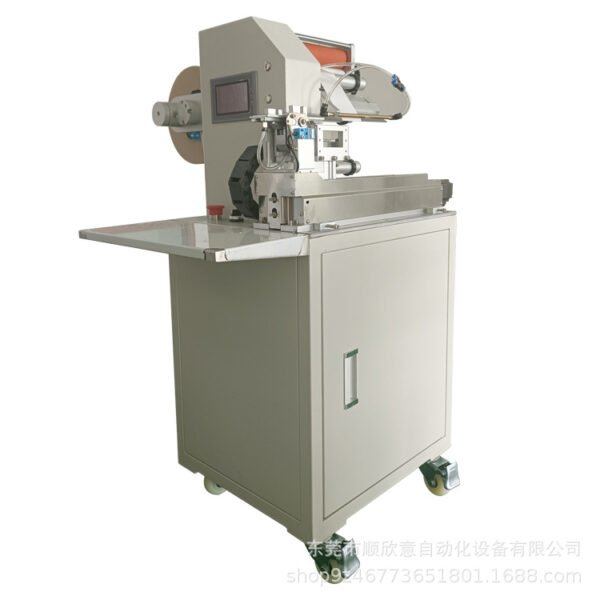
How Tension Affects Wire Taping Quality
The tension affects the tightness of the tape wrap around the wire. A low tension is required to make thin wires safe. The thick bundles of cables require more stress to keep their form. If the tension is wrong it might harm the insulation of the wire.
This is a severe safety hazard. This is particularly harmful in automobile wiring and electronics manufacturers where quality has to be impeccable.
Tension Setting by Wire Type:
| Wire Type | Recommended Tension | Tape Width | Notes |
| Thin signal wire | Low (1–3) | 9mm–19mm | Do not over-tighten |
| Medium harness | Medium (4–6) | 19mm–25mm | Standard setting |
| Thick cable bundle | High (7–9) | 25mm–50mm | Check wrap overlap |
| Flexible shielded wire | Low–Medium (2–5) | 15mm–25mm | Use soft tape type |
Case Studies – Tension Problems and Fixes:
| Case | Problem | Root Cause | Solution |
| Auto factory, Japan | Tape gaps on harness | Tension too low | Raised to level 5 |
| Electronics plant, China | Tape tearing mid-wrap | Tension too high | Lowered to level 3 |
| Telecom factory, India | Uneven overlap | Tension fluctuating | Serviced tension spring |
| Wire farm, Germany | Wrap loosening after 24hrs | Wrong tape type | Switched to better tape |
Daily Tension Check Steps:
- Start of shift read tension dial
- Test wrap using a sample wire
- Check overlap – aim for 50%
- Adjust one step at a time – don’t leap quickly.
- Final setting in your log note
How to Fix a Tension Spring That Has Lost Its Strength
The tension spring will wear out over time. At its tightest setting the tape will feel loose. This is commonly true of equipment that are used for more than 8 hours a day. The cure is simple – get a new spring from your dealer. Vimfun supplies original parts for almost all best wire taping and bunding machine models at a reasonable Wire taping and binding machine price.
What Are the Best Daily Habits to Keep Your Machine Running Longer?
Little things, done everyday, make a tremendous impact. A machine that is looked after every day will survive a lot longer. Here are the ideal habits to have each shift:
- Shift Start: Check tension, blade and rollers. Run a brief test cycle for 1 min
- During production: Listen for strange noises. Check the tape overlap every half hour
- End of shift: Clean all parts. Remove any remaining tape from the feed system
- Weekly: Oil all moving components. Check all belts and cords. Check the electrical connections
- Monthly: Complete service check. Replace worn out parts. Update your machine log
Where to Buy the Best Wire Taping and Bunding Machine
Looking for a Wire taping and binding machine for sale? Always compare the Wire taping and binding machine rate across trusted suppliers. Check the Electric Spiral Binding Machine price, Ring Binding Machine price, and Spiral Binding Machine price before you buy. Look for good after-sales support and easy spare parts access.
Vimfun is a household name in the field. They provide a broad choice of the best wire taping and bunding machines. The pricing are reasonable. The support crew is good. See the newest models, prices and get professional advice at Vimfun.
Frequently Asked Questions
How do I clean the roller on my wire taping machine?
Cleaning the roller is simple. It takes a few minutes to do. First switch off the machine. Wipe up dust and tape residue with a soft cloth or brush. Then ensure that the roller spins freely and is sitting straight.
- Clean after each shift
- Use a dry towel. Keep wetness off the metal rollers
- If the roller shaft seems stiff, add little oil
How often should I replace the blade on my wire bunding machine?
Check the blade daily. Replace it when it becomes dull or chipped. A sharp blade cuts neatly every single time. Most blades last from 2 to 6 weeks. It’s what you make.
- Check blade at beginning of each shift
- Replace if cuts are rough or ripped immediately
- Keep extra blades in stock
What is the best tension setting for thin wire harnesses?
Start on a low setting, between 1 and 3. Give a test wrap a try. Check for gaps or rips in the tape. Slowly adjust until the overlap seems smooth and uniform, at around 50%.
- Low tension prevents tape breaking
- Always test a sample wire first
- Write note the setting for future shift
Why does my tape keep jamming in the feed system?
Most jams occur with a filthy feed channel. A misaligned tape roll or a dull blade may also create jams. Use a dry brush to clean the feed route. Re-seat the tape roll so it lays flat. Check the blade for nicks.
- Check tape roll position every shift
- Clean feed route regularly
- If jams continue, change the blade
Conclusion
Is daily maintenance really worth the time for your wire taping machine? Yes, the daily upkeep is 100% worth it. Hours of expensive downtime saved in only 10-15 minutes every shift. Clean rollers, a clean blade and proper tension keep your best wire taping and bunding machine going strong every day.
Skip the little checks, and massive malfunctions and lost tape occur. Need a new machine? Choose Vimfun. They provide the best Automatic taping and Binding Machines with the most affordable best wire taping and bunding machine pricing in the industry.