
Even if I assemble them carefully, why do wires still get damaged? I have been in the industrial wire crimping solution and wire harness business for over 12 years. I have seen this issue cost manufacturers thousands of dollars. The true fix is an automatic wire crimping machine.
In this article, I will discuss how it works, which industries use it, how tension and roller systems safeguard wires, and what characteristics you should check for before buying.
What is an Automatic Wire Crimping Machine?
A termination is crimped onto a wire using an automatic wire crimping machine. It crimp a metal connector to the end of the wire. It replaces slow and laborious hand crimping. The machine is quick, precise and repeatable. It applies the correct force via servo motors or air pressure. This creates a robust, safe and dependable wire connection.
Modern automated wire processing equipment do all the wire feeding, cutting, stripping and crimping in one cycle. They are utilised in vehicles, aircraft, gadgets and household goods. Bad wire is a safety issue . Product is . That is why the demand for these equipment is growing fast.
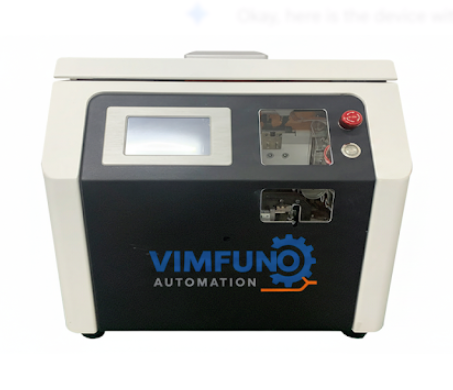
Manual vs. Automatic Wire Crimping: Quick Comparison
| Feature | Manual Crimping | Automatic Wire Crimping Machine |
| Speed | 200–400 crimps/hour | 3,000–8,000 crimps/hour |
| Consistency | Low (operator-dependent) | High (servo-controlled) |
| Wire Damage Risk | High | Very Low |
| Terminal Compatibility | Limited | Wide Range |
| Data Logging | No | Yes (Industry 4.0 ready) |
| Labor Cost | High | Low |
How Does Tension Control Stop Wire Damage During Crimping?
Crimping: Is improper tension slowly killing your wire? Yes – and it is one of the most prevalent concealed difficulties in cable stripping and terminal crimping. Tension control is how much draw force is supplied to the wire. It is under too much strain. Too little will result in loose loops and feed issues.
Good tension management gives a sturdy, steady wire. Prevents microscopic fractures from developing in delicate strands. It also guards the insulation from cuts and nicks. This is the reason why precise wire stripping technology is now included of most current crimping machines.
How Tension Systems Work Inside the Machine
The tension system includes rollers, wire guides and sensors. They all work together.” Machine reads wire size and feed speed. It dynamically adjusts the spool brake. This maintains the wire at a safe constant draw force at all times throughout the cycle.
- Tension arms respond to speed variations in milliseconds
- Load sensors measure pull force 1,000 times a second
- Auto Adjustment to Avoid Wire Strand Breakage
- Insulation is safe at high feed speeds
Tension Settings by Wire Type
| Wire Type | Recommended Tension (N) | Strip Force (N) | Common Risk Without Control |
| AWG 28 Fine Strand | 0.5 – 1.2 | 2.0 – 3.5 | Strand breakage |
| AWG 22 Standard | 1.5 – 3.0 | 4.0 – 6.0 | Insulation nick |
| AWG 16 Power Wire | 3.5 – 6.0 | 7.0 – 10.0 | Terminal pullout |
| Shielded Cable | 1.0 – 2.5 | 3.0 – 5.0 | Shield damage |
Key Benefits of Proper Tension Control
- Avoids strand separation of thin gauge wire
- Reduces scrap rate up to 60% over manual feeding
- Protects insulation against microscopic rips you can’t see
- Enables high speed runs without compromising wire quality
- For soft copper and tougher alloy wire types
How Do Roller Systems in an Automatic Wire Crimping Machine Protect Wire Quality?
Can Rollers In a High Speed Wire Assembly Machine Damage Your Wire Harness? Yes – and most customers only discover it when they look under a microscope. Rollers hold, guide and feed the wire from the spool to the crimping point. They must accomplish this without crushing,kinking or marking the wire.
Feed errors. Bad rollers. Feed mistakes generate poor crimps. The finest pneumatic crimping systems have precise rollers with adjustable pressure and real time slip detection. The rollers are equally as vital as the crimp die itself.
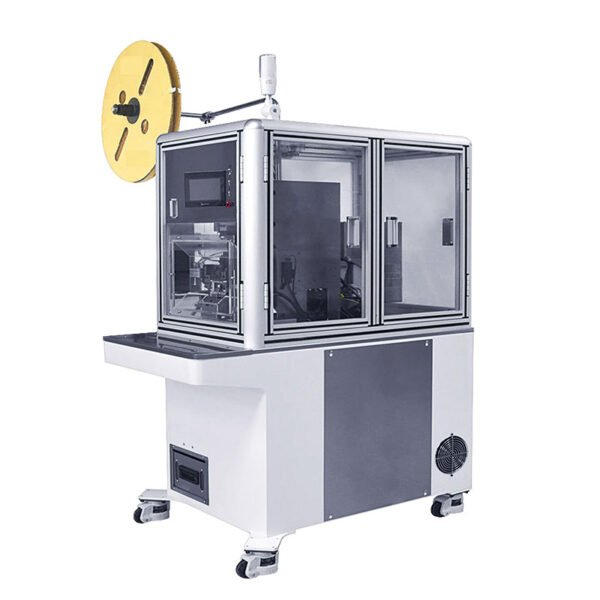
Roller Types and Their Use Cases
- V-Groove Rollers – Best for solid circular wire. They centralise the wire and preventing it from sliding sideways at high speed.
- Flat Pinch Rollers – For stranded or flexible wire. Their large surface area softly distributes the gripping force across the bundle of wires.
- Knurled drive rollers Ideal for thick or stiff wire. The rough surface offers grip without pressure. This insulates it.
Roller System Comparison
| Roller Type | Best Wire Type | Feed Speed | Insulation Protection | Maintenance Cycle |
| V-Groove | Solid / Semi-rigid | High | Excellent | Every 500K cycles |
| Flat Pinch | Stranded / Fine | Medium-High | Very Good | Every 300K cycles |
| Knurled Drive | Heavy Gauge / Stiff | Medium | Good | Every 200K cycles |
| Coated Rubber | Shielded / Delicate | Low-Medium | Excellent | Every 150K cycles |
Each roller type is ideally suited to a certain kind of wire. Matching the roller to the wire avoids surface damage and feed mistakes. Fast roller changes allow companies to run different wire kinds on one line without any downtime.
Advantages and Disadvantages of Roller-Based Feed Systems
Advantages:
- Wire remains in the correct place for each crimp
- Less operator intervention to correct problems
- Supports complete automation continuous production
- Modular machine design for easy cleaning and replacement
Disadvantages:
- Worn rollers may leave marks on soft insulation if not replaced in time
- Incorrect roller pressure may destroy tiny wire strands
- Regular inspections needed to maintain feed accuracy on track
Which Industries Use Automatic Wire Crimping Machines the Most?
Does your industry truly require an automatic wire crimping machine? Or is hand crimping still good enough? It depends on your volume and quality demands. But the industries below have already changed – and they won’t change back. The globe has the highest need for automotive wire harness production.
A contemporary automobile has more than 3km of wiring. Aerospace, medical, electronics and appliance companies all follow close after. Different termination wire crimping systems for each industry. But they all have one rule: you can’t damage any wires.
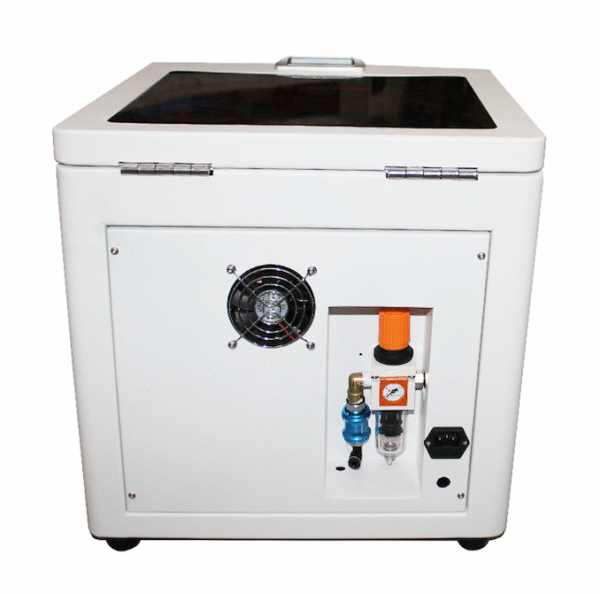
Industry Case Studies
| Industry | Application | Machine Type Used | Key Benefit |
| Automotive | Door harness assembly | High speed wire assembly machine | 6,000+ crimps/hour, zero strand damage |
| Aerospace | Avionics wiring | Servo-controlled crimping station | Meets MIL-SPEC crimp force standards |
| Medical Devices | Sensor cable assembly | Precision wire stripping technology system | Clean strip on 0.1mm wire, no nick |
| Home Appliances | Motor lead wire | Industrial wire crimping solution | 99.98% crimp quality rate |
Sector-Specific Requirements
Automotive: Needs high volume and quick terminal swaps. Automotive wire harness manufacturing lines operate 24/7 with quality checks integrated into each cycle.
Aerospace – Need complete crimp force record and pull test log. Each crimp has to be traceable back to a lot number and match the Mil-Spec requirements.
Medical- Needs micro-precision on extremely thin wire. Clean strip edges are necessary. Wire harness assembly equipment is cleanroom safe as standard.
Electronics: Need speed and minimal size. Fine terminals and thin insulation need extremely low crimp force with accurate depth control.
What Features Should You Look for in a Modern Automatic Wire Crimping Machine?
All automatic wire processing machines are not the same. Below are the top traits to watch out for in 2025:
- Servo crimp force control – automatically applies the proper force to each terminal type
- Precision wire stripping tech Integrated in machine – stripping length precise to ±0.1mm
- Touch-screen HMI with recipe storing – for over 500 wire and terminal types
- Live crimp height check – detects and rejects improper crimps on the spot
- Quick change applicator – replace terminal reels in < 3 minutes
- Industry 4.0 data output – ties to the software systems in the production.
- Small footprint – fits into existing wire harness assembly equipment configurations
Why Vimfun Stands Out
Vimfun integrates them all into their automated cable assembling equipment. And their equipment are also supported by superb after-sales support. Tough, low maintenance and supported by professional engineers – built for the actual manufacturing floors. Come and examine their entire line of automated wire crimping equipment and receive a free consultation.
Frequently Asked Questions
What is an automatic wire crimping machine used for?
An automatic wire crimping machine applies a precise, reproducible force to attach a wire to a metal termination. It is used in autos, aeroplanes, electronics and appliance manufacturing to quickly construct robust, damage-free wire connections.
- Alternatives to hand crimping tools on production lines
- Automatic cut, strip and crimp in one cycle
- Works with numerous different terminals and wire types
How does tension control prevent wire damage?
Tension control ensures a safe, constant draw force on the wire as it passes through the machine. Stops delicate wires from being stretched out. It also prevents insulation from being nicked in the strip process.
- Tension arms adapt in real time with speed variations
- Sensors measure pull force 1,000 times per second
- Strand breakage falls to near zero
What is the difference between pneumatic and servo crimping systems?
A pneumatic crimping system is a device where the crimp is driven by air pressure. Servosystem – electrical motor. Servo systems provide more accurate control and improved data recording for quality inspections.
- Pneumatic: cheaper, easier to service
- Servo: more accurate programmable force settings
- Servo is ideal for automotive and aerospace applications
How fast can an automatic wire crimping machine work?
Most of the latest high speed wire assembly machines can do 3,000 to 8,000 crimps per hour. It depends on the wire size, the kind of termination and the cycle set up.
- Entry level models: 2,000-3,500 crimps/hour
- Mid-range models: 4,000-6,000 crimps/hr
- – High speed models: 6,000-8,000+ crimps/hr
Can one machine handle multiple wire and terminal types?
Yes. Modern automated cable assembly machines have hundreds of wire-terminal configurations stored. Quick change heads allow terminal reel changes in under 3 minutes.
- 500+ setting combinations, saved by the top models
- 2-5 min changeover
- Supports open, closed and insulated terminal types
How do I know if my crimps are passing quality standards?
Superior terminal wire crimping systems have integrated crimp height monitors as well as pull-force tests. Each crimp is measured and validated against preset limit. Bad crimps are identified and removed immediately.
- Crimp height tolerance: +/-0.02mm usually
- Pull force records are stored every batch to ensure complete traceability
- SPC charts are alive for process engineers
Conclusion
Slow production and wire damage holding your factory back? It’s time for an overhaul. Good tension control and intelligent roller systems in an automatic wire crimping machine prevent wire breakage at every stage of the process. Every time you get less scrap, a quicker production and a greater quality.
Whether you are in the automobile wire harness, aerospace or electronics sector the proper equipment will pay for itself quickly. Today, Vimfun is one of the most trusted brands in industrial wire crimping solutions. They make automated cable assembly devices used in enterprises across the globe. Head to Vimfun to choose the ideal machine and chat to their experienced staff.