
Introduction to Wire Harness Automation
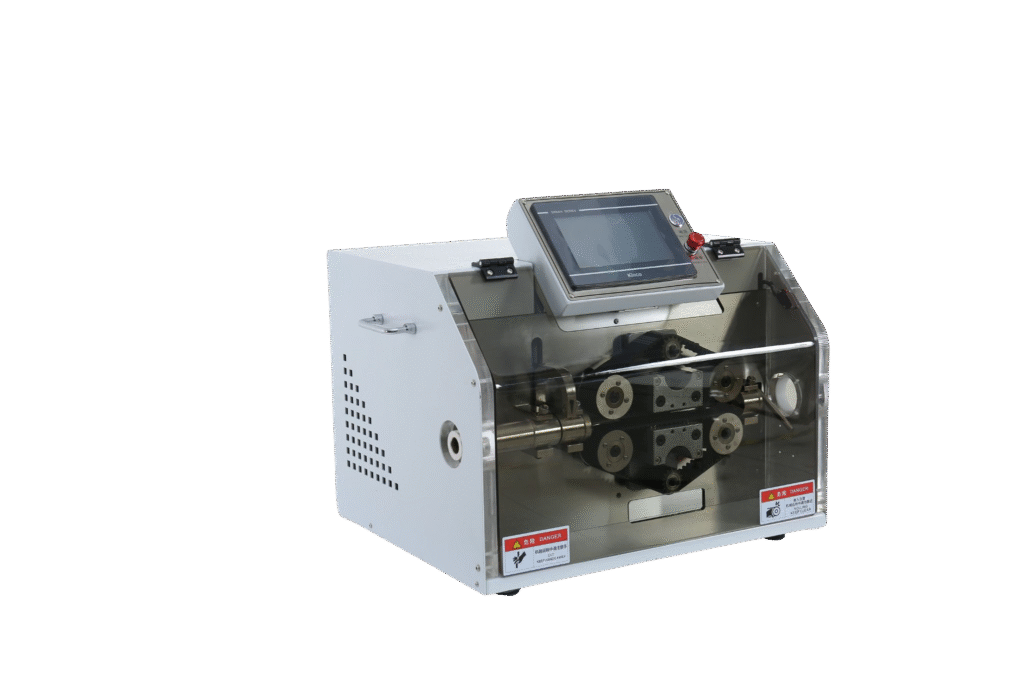
Wire harnesses are the backbone of electrical systems in automotive, new energy vehicles (NEVs), and electronics industries, connecting components with precision and reliability. In Southeast Asia (Thailand, Vietnam, Indonesia, Malaysia, Philippines) and Mexico, manufacturers face rising demands for high-quality, scalable production. Manual wire harness processing—cutting, stripping, crimping, and testing—is labor-intensive, error-prone, and slow, making automation essential for staying competitive in 2025.
This guide explores wire harness automation, its benefits for regional industries, key equipment types, and solutions to common challenges. Whether you’re a procurement manager in Mexico’s automotive maquiladoras or an engineer in Vietnam’s electronics hubs, you’ll find actionable insights to optimize your production line.
Why Wire Harness Automation Matters in Southeast Asia and Mexico
Southeast Asia and Mexico are global manufacturing powerhouses, driven by automotive, NEV, and electronics growth. Here’s why automation is critical in these regions:
Mexico: Automotive and NEV Boom
- Industry Context: Mexico is a top automotive exporter, hosting maquiladoras for brands like GM, Ford, and Tesla. The NEV sector is expanding with investments like Tesla’s Gigafactory in Monterrey.
- Challenges: High labor costs, strict USMCA quality standards, and demand for high-voltage harnesses for EVs.
- Automation Impact: Reduces labor costs by up to 50%, ensures precision for complex harnesses, and meets global standards.
Southeast Asia: Electronics and Automotive Hubs
- Industry Context: Vietnam and Malaysia lead in electronics (e.g., Samsung, Intel), Thailand and Indonesia in automotive and NEV (e.g., Honda, Hyundai). The region’s FDI in tech and EVs is soaring.
- Challenges: Manual processes struggle with micro-connectors for electronics and scalability for NEV harnesses.
- Automation Impact: Boosts throughput by 40%, minimizes defects, and supports export-driven growth.
Key Types of Wire Harness Processing Equipment
Automation relies on specialized equipment to streamline wire harness production. Below are the main types:
1. Full-Automatic Terminal Machines
- Function: Cut wires to precise lengths, strip insulation, and crimp metal terminals (connectors) at both ends.
- Features: Servo-driven precision, high-speed processing (up to 5,000 pieces/hour), compatibility with various wire gauges.
- Applications: Automotive harnesses in Mexico, NEV high-voltage cables in Indonesia.
2. Wire Cutting and Stripping Machines
- Function: Cut wires to specified lengths and remove insulation with rotary or V-blade stripping.
- Features: High accuracy (±0.1 mm), support for multi-core cables, low material waste.
- Applications: Electronics in Vietnam, multi-branch harnesses in Thailand.
3. Crimping Machines
- Function: Attach terminals to stripped wires with consistent pressure for reliable electrical connections.
- Features: Integrated quality checks (e.g., crimp force monitoring), customizable for different terminal types.
- Applications: High-precision connectors in Malaysia, EV harnesses in Mexico.
4. Automated Testing Systems
- Function: Verify harness integrity through continuity, insulation, and impedance tests.
- Features: Real-time diagnostics, integration with production lines, data logging for traceability.
- Applications: Quality control in Philippines’ electronics, automotive compliance in Mexico.
Regional Challenges and Automation Solutions
Manufacturers in Southeast Asia and Mexico face unique challenges that automation addresses effectively.
Mexico: High Labor Costs and Quality Demands
- Challenge: Labor costs in maquiladoras are rising, and USMCA requires stringent quality for automotive exports.
- Solution: Full-automatic terminal machines reduce manual labor by 60%, while vision systems ensure zero-defect crimping.
- Example: A Monterrey NEV plant cut production time by 30% using automated crimping and testing.
Thailand: Scalability and Defect Reduction
- Challenge: Automotive and electronics plants (e.g., Honda, Western Digital) need to scale while minimizing defects.
- Solution: High-speed cutting and stripping machines increase throughput, and automated testing catches errors early.
- Example: A Thai automotive supplier reduced defect rates by 25% with integrated automation.
Vietnam: Precision for Electronics
- Challenge: Electronics manufacturers require micro-precision for small connectors in devices like smartphones.
- Solution: Servo-driven terminal machines with rotary stripping ensure accuracy for fine wires (AWG 28–32).
- Example: A Hanoi electronics plant improved yield by 35% with automation.
Indonesia: NEV Growth
- Challenge: Indonesia’s EV sector (e.g., Hyundai, battery plants) demands high-voltage harnesses at scale.
- Solution: Heavy-duty terminal machines handle large-gauge wires (up to 50 mm²) with reliable crimping.
- Example: An Indonesian battery plant doubled output with automated cutting and crimping.
Malaysia and Philippines: Cost and Export Pressures
- Challenge: Cost-sensitive markets and export-driven electronics require efficiency and compliance.
- Solution: Modular automation systems lower operating costs and ensure traceability for global standards.
- Example: A Malaysian semiconductor plant saved 40% on labor with automated testing.
Benefits of Wire Harness Automation
Investing in automation delivers measurable advantages for manufacturers:
- Efficiency: Up to 50% faster production cycles compared to manual processes.
- Precision: ±0.1 mm accuracy for cutting and stripping, critical for NEV and electronics.
- Cost Savings: 50–60% reduction in labor costs, plus lower material waste.
- Quality: Automated testing and vision systems reduce defect rates by 20–30%.
- Scalability: High-throughput machines support growing demand in Mexico’s NEV and SEA’s electronics sectors.
- Compliance: Meets global standards (e.g., ISO, USMCA, IATF 16949) for exports.
Case Study: Mexican NEV Plant Success
A leading NEV manufacturer in Monterrey faced challenges with manual wire harness production for high-voltage EV systems. Slow cycle times and inconsistent crimping led to delays and quality issues.
Solution: The plant implemented our full-automatic terminal machines with servo-driven crimping and integrated testing systems. Key features included:
- High-speed processing (4,000 harnesses/hour)
- Precision stripping for large-gauge wires (10–25 mm²)
- Real-time quality monitoring
Results:
- 30% reduction in production time
- 25% decrease in defect rates
- 40% labor cost savings
- Improved compliance with USMCA standards
The plant now meets Tesla’s rigorous quality requirements and has scaled output to support Mexico’s EV boom.
How to Get Started with Wire Harness Automation
Ready to transform your production line? Follow these steps:
- Assess Your Needs: Identify wire gauges, harness types, and production volume. For example, Mexico’s NEV plants need heavy-duty machines, while Vietnam’s electronics require fine-wire precision.
- Choose the Right Equipment: Select machines with modular designs for flexibility. Our equipment supports wires from AWG 32 to 50 mm² and integrates with testing systems.
- Partner with a Reliable Supplier: Look for suppliers offering local support in Mexico and Southeast Asia, with proven after-sales service.
- Request a Demo: See our machines in action to understand their impact on your workflow.
- Plan for Scale: Invest in automation that grows with your business, from single machines to fully integrated lines.
Conclusion
Wire harness automation is a game-changer for manufacturers in Southeast Asia and Mexico, addressing labor costs, quality demands, and scalability. From Mexico’s automotive maquiladoras to Vietnam’s electronics hubs, full-automatic terminal machines, cutting systems, and testing equipment deliver efficiency and precision. As industries like NEVs and electronics grow in 2025, automation will be key to staying competitive.
Ready to optimize your production? Request a demo or download our equipment spec sheet to explore our solutions tailored for Southeast Asia and Mexico.